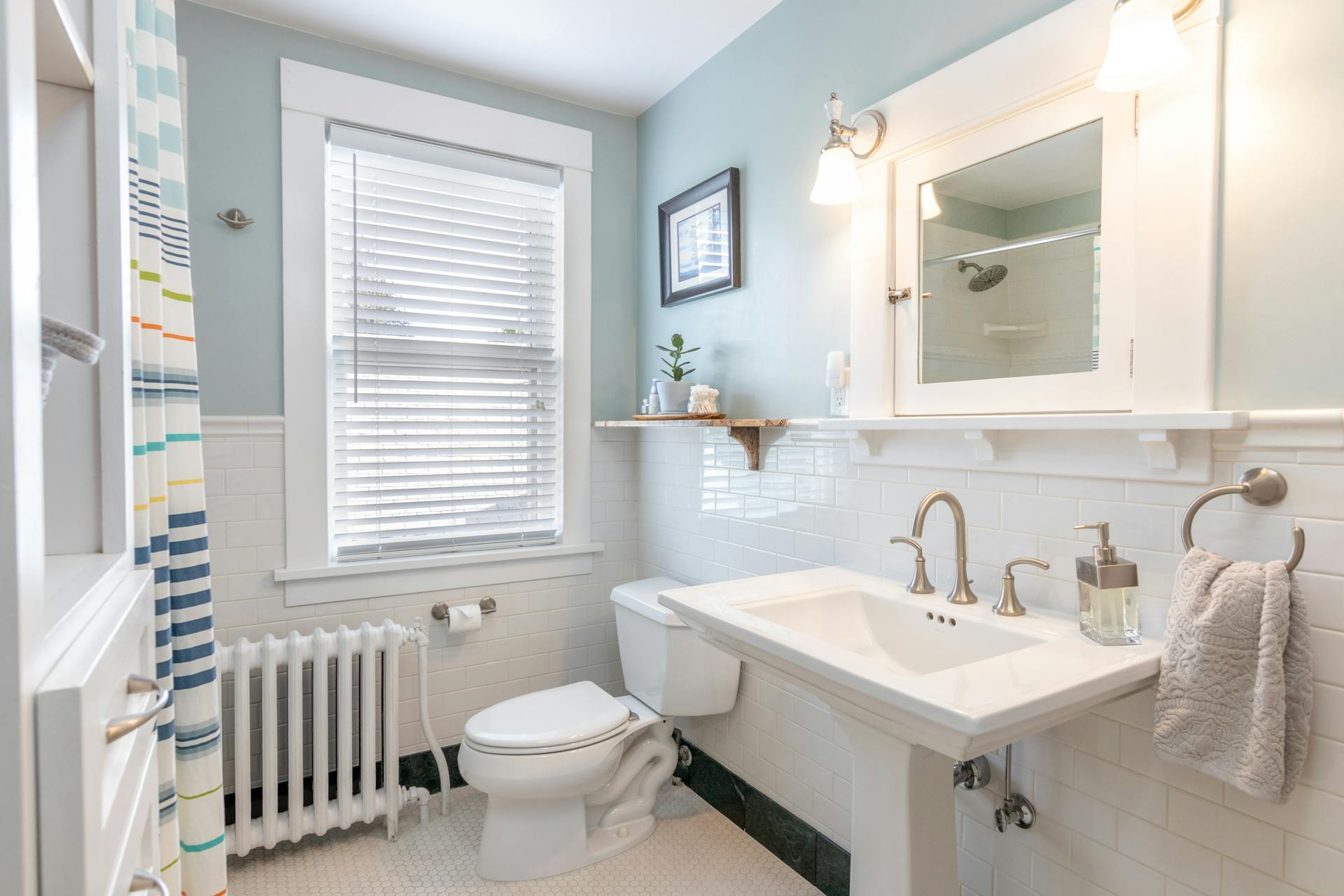
Bathrooms are no longer treated as secondary spaces designed only for convenience. In today’s interiors, they are expected to feel organized, visually refined, and fully integrated into the overall style of the home. Layout now matters as much as finish, and proportion often determines whether a bathroom feels calm and complete or cramped and unresolved. Within that shift toward more thoughtful design, the 48 inch bathroom vanity has become one of the most dependable and appealing solutions for a wide range of bathroom sizes and styles.
A 48 inch bathroom vanity offers a particularly effective balance between storage, surface area, and spatial efficiency. It is large enough to create a meaningful focal point in the room, yet compact enough to preserve openness and circulation. That middle-ground quality is exactly what makes it so valuable. In bathrooms where a smaller vanity can feel insufficient and a larger one may overwhelm the layout, this size often delivers the most natural fit. It supports daily function while maintaining the visual clarity that modern bathroom design increasingly prioritizes.
One of the most important reasons this size remains popular is its versatility. A 48-inch vanity can work in guest bathrooms, primary bathrooms with a single-sink plan, and renovation projects where the room needs improved storage without sacrificing floor space. It can appear sleek and contemporary, warm and organic, or classic and tailored depending on the materials and detailing chosen. This adaptability makes it not only a practical option but a design-friendly one. Rather than forcing the room into a narrow stylistic direction, it creates a strong foundation that can support many different aesthetics.
The issue of scale is central to any successful bathroom design. Even high-quality materials cannot save a room when the proportions feel wrong. A vanity that is too small can leave the bathroom looking incomplete and underfurnished, while one that is too large can dominate the room and reduce comfort. The 48-inch format succeeds because it answers both of these concerns. It provides enough width to feel substantial, while still allowing room for movement, breathing space, and visual balance. In many layouts, that combination is difficult to achieve with any other standard size.
Daily life makes the value of this dimension even clearer. Bathroom routines involve more than a sink and a mirror. Toothbrushes, soap dispensers, hand towels, skincare products, electric tools, trays, and small decorative objects all compete for limited counter space. A vanity that seems adequate on paper can become frustrating once it is actually in use. A 48-inch vanity provides enough surface area to keep necessities within reach without turning the countertop into a crowded display. That alone can make the room feel cleaner, more controlled, and more enjoyable to use.
Storage is another reason this size continues to stand out. In modern homes, bathrooms are expected to handle far more than basic essentials. They often store backup toiletries, personal care products, hair tools, cleaning supplies, and extra linens. A vanity that lacks proper internal space forces these items into other parts of the room, where they create clutter and reduce efficiency. A 48-inch vanity usually provides a strong balance of drawers and cabinet storage, allowing items to be organized more effectively. That means the room can remain visually calm without becoming inconvenient in daily use.
The design of the vanity itself plays a major role in how the room feels. A floating 48-inch vanity, for example, can make the bathroom appear larger by exposing more floor area and reducing visual weight. This style has become especially popular in contemporary interiors because it supports a clean, architectural look. A freestanding vanity of the same size, however, can bring a more grounded and furniture-like quality to the room. In traditional or transitional bathrooms, that sense of structure and substance often feels more appropriate. The strength of the 48-inch width is that it can succeed in either format.
Material selection changes the personality of the vanity dramatically. Light oak or ash finishes introduce warmth and an organic softness that pair well with stone, ceramic, and neutral tile. Darker woods can bring depth and sophistication, especially in bathrooms that use contrast to create drama. Painted finishes remain equally popular, especially in white, charcoal, navy, sage, and soft gray. Each finish affects whether the vanity blends into the room or stands out as a focal point. Because the 48-inch size has enough presence to matter but not so much that it dominates, it responds especially well to a wide range of material choices.
Countertops also shape the overall impression. Quartz is widely favored for its durability, low maintenance, and clean visual profile. Marble introduces softness and a sense of tradition, though it tends to feel more luxurious and formal. Porcelain and sintered stone offer a more modern edge, especially when paired with integrated sinks and minimal detailing. The vanity top is more than just a practical surface; it determines how light reflects, how color is distributed, and how polished the bathroom feels as a whole. In a 48-inch configuration, the countertop has enough visual space to make a strong impact without becoming overpowering.
Sink style deserves equal attention. This width is ideal for a generous single-sink setup, which often feels more spacious and elegant than trying to force two sinks into too little room. A centered sink leaves comfortable counter space on both sides, creating a balanced look and a more usable surface. Integrated sinks produce a clean and contemporary effect, while undermount sinks often feel more classic and practical. Vessel sinks can also work, but they require thoughtful proportion so the vanity does not appear top-heavy. Because the 48-inch format is so well balanced, it accommodates these choices with relative ease.
Mirror planning becomes more straightforward with this size, which is another reason designers return to it so often. A vanity of this width can support a single large rectangular mirror, a rounded statement mirror, or a gently arched form that softens the room’s lines. There is enough wall presence to make the mirror feel intentional but not so much that the vanity demands an oversized or complicated installation. Lighting also becomes easier to resolve. Sconces placed on either side of the mirror can feel balanced, while an overhead fixture remains centered and proportionate. Together, these details create a vanity wall that feels complete rather than assembled.
A 48-inch vanity also supports a broad range of bathroom layouts. In smaller primary bathrooms, it can provide the sense of substance and storage that a 36-inch or 42-inch vanity might not achieve. In guest bathrooms, it can make the space feel unexpectedly generous and well planned. In older homes, where bathrooms often have awkward proportions or limited wall width, this size frequently fits more naturally than larger options. That flexibility gives it long-term appeal. It is not dependent on one type of home or one design trend to remain relevant.
Another strength of this size is its ability to bridge practicality and aesthetics without compromise. Some vanities perform well in terms of storage but feel too bulky or heavy. Others look beautiful in photographs but fail to support actual use. The 48-inch category often avoids both extremes. It can feel refined without becoming delicate, and it can feel useful without looking overly utilitarian. That combination is increasingly important in contemporary design, where beauty is expected to emerge from thoughtful function rather than from excess.
The emotional atmosphere of the bathroom is also influenced by the vanity more than many people realize. Because the vanity is used daily and occupies a central visual position, it shapes the room’s mood in subtle but significant ways. A vanity that is too cramped can make routines feel rushed or disorganized. A vanity that is too dominant can make the room feel crowded. When the size is right, however, the room becomes easier to move through and more pleasant to maintain. The 48-inch vanity often achieves that balance with remarkable consistency.
There is also a resale advantage to choosing this size well. Homebuyers often respond strongly to bathrooms because they associate them with comfort, cleanliness, and the overall quality of the home. A vanity that appears properly scaled and thoughtfully integrated suggests that the room was carefully designed rather than simply furnished. A 48-inch vanity tends to communicate that sense of planning. It looks substantial enough to feel upgraded, yet restrained enough to feel appropriate. In real estate terms, that kind of balance can enhance the overall impression of the property.
The popularity of this vanity size also reflects a broader change in the definition of luxury. Luxury is no longer only about ornament or size. Increasingly, it is about ease, order, and the feeling that a room supports daily life beautifully. A 48-inch vanity fits this modern understanding well. It offers generous storage, a comfortable countertop, and a stronger visual anchor without becoming excessive. It improves both how the room functions and how it feels. That quiet effectiveness is one of the clearest signs of good design.
Choosing the right vanity still requires attention to detail. Construction quality, drawer layout, hardware selection, and moisture resistance all matter. Even a well-sized vanity can disappoint if its materials are weak or its storage is poorly configured. The most successful models use their width intelligently, ensuring that the sink placement, drawer depth, and cabinet proportions all contribute to everyday convenience. Good design becomes visible through these small but important decisions.
Several qualities usually determine whether a 48-inch vanity truly improves the space.
- The vanity should offer a thoughtful balance of surface area and storage, so the countertop remains usable and the interior supports real organization.
- Its proportions should suit the room, allowing comfortable circulation and leaving enough visual breathing space around nearby fixtures.
- Materials and detailing should support the overall design direction, whether the bathroom leans modern, classic, transitional, or organic.
These principles explain why this size continues to perform so well across different kinds of projects. It is not simply a convenient standard dimension. It is a format that aligns with how bathrooms are actually used and how people increasingly want them to feel. In a room where every inch matters, the right balance of width, storage, and visual weight can make a significant difference.
The enduring strength of the 48 inch bathroom vanity lies in its clarity. It does not aim to dominate the room or disappear into it. Instead, it creates a measured center point around which the rest of the bathroom can be organized. It supports daily routines, contributes to the room’s style, and improves the sense of proportion in a way that often feels effortless. That is why it remains one of the most intelligent and widely admired choices in bathroom design.
For bathrooms that need a vanity with real presence but not unnecessary bulk, the 48-inch format continues to stand out. It is functional without looking purely practical, stylish without becoming overly trend-driven, and spacious without wasting room. In an era of interiors defined by balance, intention, and livability, it remains one of the strongest examples of how the right size can transform the experience of a space.