Most people buy clothes to wear often, not to replace them after a few months. When garments fade, crack, or lose shape too quickly, the cost becomes obvious fast. Embroidered apparel quietly avoids this problem by adding detail without sacrificing durability. It offers character that lasts through real use. That reliability is why embroidery now fits naturally into everyday wardrobes.
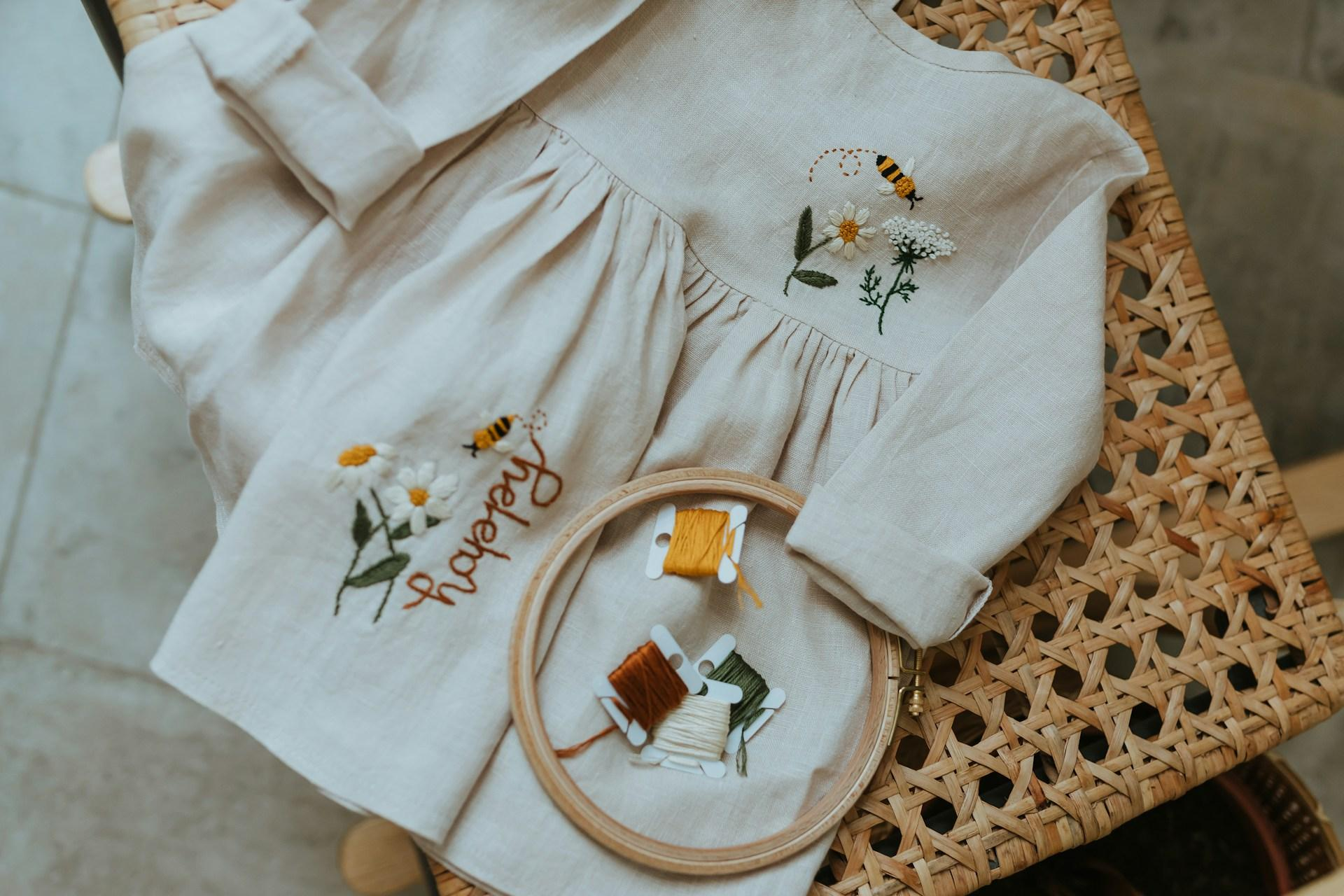
Daily clothing needs to handle long hours and changing settings. People often move from work to errands and casual plans without changing outfits. With embroidery designs for machines, subtle and durable details can be added without compromising comfort. This practical approach helps explain why embroidery continues to feel relevant today.
Table of Contents
Embroidery works for real-life wear
Embroidery becomes part of the garment rather than sitting on top of it. Stitched designs move with the fabric instead of cracking or peeling over time. This gives clothing a sense of permanence. People trust pieces that look consistent after repeated wear. That trust encourages rotation rather than replacement.
There is also a visual calm to embroidery when done with restraint. Clean stitching blends into the fabric instead of demanding attention. Neutral thread tones keep designs grounded and wearable. This allows embroidered pieces to fit many situations. Familiarity builds confidence in daily use.
Small stitched details that elevate basics
Everyday wardrobes rely on dependable staples. T-shirts, sweatshirts, polos, and light layers do most of the work. Embroidery upgrades these pieces without changing how they are worn. A small stitched element adds personality while keeping the garment practical. Basics feel considered rather than generic.
Placement plays a major role in how embroidery reads. Chest marks, sleeve accents, or subtle back details feel natural. These areas align with how garments are already viewed. Stitching supports structure rather than interrupting it. The outfit stays balanced.
Brands that understand restraint treat embroidery as a finishing touch. Oak and Twine reflects this mindset through clean placement and thoughtful scale. Their pieces show how stitching can feel refined without feeling promotional. The result blends easily into daily wear. This mirrors how people actually dress.
Fabric choices that support daily comfort
Embroidery performs best when paired with fabrics designed for frequent wear. Cotton blends provide breathability while giving stitches a stable base. Fleece and midweight knits add softness without pulling against thread tension. These materials allow embroidery to sit flat and move naturally. Comfort stays consistent across long hours.
Fabric quality also affects how embroidery feels against the skin. Smooth weaves reduce friction around stitched areas. Proper fabric density prevents puckering and stiffness. This keeps garments flexible rather than rigid. When fabric and stitching align, comfort remains unchanged from plain apparel.
Fit and color shaping everyday appeal
Fit determines whether embroidered apparel feels natural or forced. Relaxed and classic silhouettes allow stitching to rest smoothly. These shapes support movement without distortion. Tight fits place stress on thread placement over time. Balanced cuts support long-term wear.
Color choices influence how often people reach for a garment. Neutral tones allow embroidery to blend rather than stand out. Low contrast stitching feels calm and versatile. Outfits stay adaptable across different settings. Clothing works better when it does not require planning.
Comfort often decides whether a piece stays in rotation. Embroidered garments should feel the same as non-stitched ones. Proper backing keeps the thread smooth against the skin. This detail separates favorites from neglected items. Comfort builds trust.
When fit and color work together, embroidery feels natural. The garment reads as a complete piece rather than a decorated one. This cohesion supports repeat wear. People value clothing that earns its place. Embroidery succeeds when it supports that goal.
Key takeaways for everyday embroidered apparel
- Subtle embroidery blends more easily into daily outfits
- Neutral colors increase repeat wear across settings
- Balanced fits prevent distortion over time
- Comfortable backing improves long-term use
- Quality stitching signals durability and care
Styling embroidered pieces without effort
Embroidered apparel design works best when styled simply. Pair stitched tops with jeans or neutral trousers to keep looks grounded. The embroidery adds interest without leading the outfit. This approach reduces decision fatigue. Dressing feels easy rather than styled. Layering also helps embroidery settle into daily looks. Jackets, overshirts, and hoodies allow details to appear naturally. The outfit stays practical and familiar. Embroidery becomes part of the texture rather than the focus. This suits everyday routines well.
Durability that matches modern wardrobes
Everyday clothing needs to handle regular washing and repeated movement. Embroidery holds up well because stitches are integrated into the fabric. The thread does not peel or fade like surface designs. This keeps garments looking consistent longer. Reliability supports trust. Durability also protects long-term wardrobe value. Subtle embroidery avoids feeling dated after a few seasons. Strong stitching reduces the need for repairs. Clothing that stays presentable earns repeat wear. This dependability fits modern wardrobes.
Why embroidery continues to earn trust
Embroidered apparel reflects how people want to dress today. Comfort, reliability, and quiet expression guide choices. Stitching adds character without clutter. It feels personal without being loud. This balance keeps embroidery relevant. There is growing appreciation for clothing that shows care in construction. Even small stitched details suggest intention. People notice when garments feel considered. Embroidery communicates quality without explanation. Confidence follows.
Over time, trust matters more than trends. Clothing that still feels right after many wears becomes dependable. Embroidery supports that relationship through durability and restraint. When a piece keeps its shape and meaning, it earns loyalty. That is the real value of embroidered apparel in everyday wardrobes.


