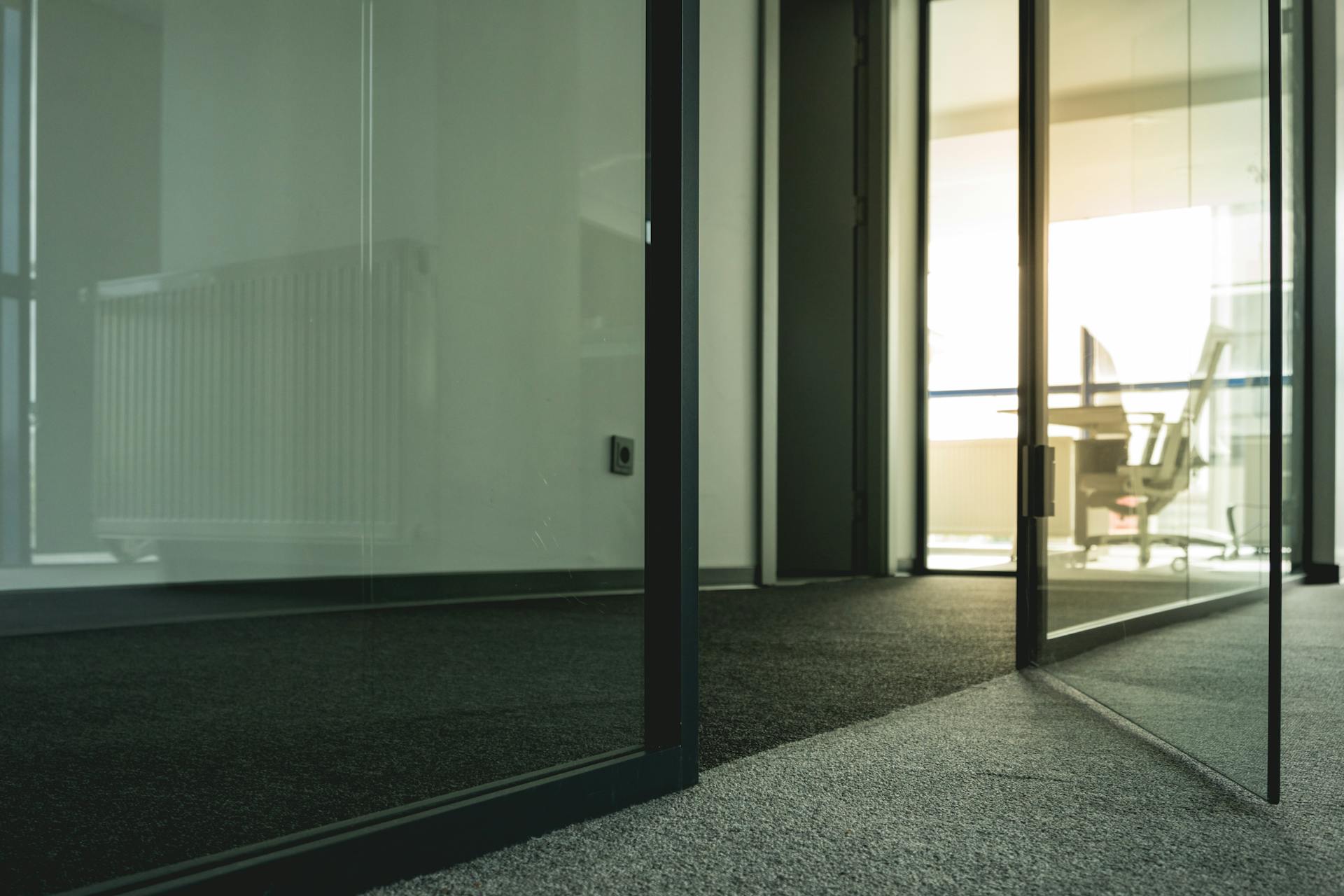
In recent years, architects and property owners have turned their attention toward fire-rated glass doors as a solution that combines stringent safety requirements with modern design needs. Unlike traditional fire doors, which are often opaque and heavy, these doors incorporate advanced glass technology to provide transparency without sacrificing performance. This balance has made them a popular choice in both commercial and residential projects seeking to meet codes while maintaining visual openness.
The demand for such doors has grown alongside urban development and stricter building safety standards. In dense environments where evacuation routes, compartmentalization, and visibility matter, having a door that resists fire while allowing light to pass through is more than a design choice—it is a necessity. Developers have recognized that doors must serve multiple roles, functioning as barriers against hazards while still contributing to the quality of daily life in the built environment.
For many owners, the investment goes beyond compliance. Fire-rated glass doors are now seen as part of a broader strategy to create buildings that feel safe, welcoming, and sustainable. By offering a way to maintain natural light and visibility, they contribute to energy efficiency and psychological well-being, positioning themselves as both a technical and lifestyle enhancement.
Table of Contents
Safety Standards and Building Codes
Safety is at the core of fire-rated glass doors, and adherence to building codes drives their design and use. These doors are subjected to rigorous testing under conditions that simulate real fire scenarios, ensuring they can withstand extreme temperatures for specified durations. The ratings, often expressed in minutes or hours, reflect how long the door can contain flames and smoke without failing structurally or compromising the barrier.
Building codes across the United States and internationally mandate the use of fire-rated doors in specific areas such as stairwells, corridors, and egress points. These rules exist to delay the spread of fire, providing occupants with critical time to evacuate. In many cases, glass doors must also comply with additional impact and hose stream tests, proving that they can endure not only heat but also the physical stresses of firefighting efforts.
Building standards for fire-rated glass doors are complex, and grasping their details is vital for both architects and facility managers. Compliance influences everything from insurance coverage to the long-term safety reputation of a property. Selecting doors that meet these codes ensures that protection is never compromised while also supporting the structural resilience of the building. In practice, this means every project benefits not only from enhanced safety but also from greater confidence in the value and reliability of the investment.
Balancing Transparency with Protection
One of the defining features of fire-rated glass doors is their ability to balance openness with defense. Historically, fire doors were considered necessary yet intrusive, cutting off spaces and blocking light. The integration of fire-resistant glazing has reshaped this narrative, allowing spaces to remain visually connected even when partitioned for safety.
The transparency provided by these doors is not merely aesthetic. In office buildings, schools, and healthcare facilities, visibility plays a crucial role in supervision, communication, and wayfinding. Staff can monitor hallways, patients, or students while maintaining compliance with safety codes. This level of openness also reduces the sense of confinement in large complexes, which can otherwise feel stark or institutional.
Architects have embraced this technology as it enables them to merge functional needs with creative aspirations. Open floor plans, daylight harvesting strategies, and collaborative layouts all benefit from glass doors that can withstand fire. In this sense, the doors have become a tool for design continuity, providing reassurance without closing off the spaces people depend on every day.
Natural Light and Energy Efficiency
Natural light has long been associated with improved productivity, health, and well-being, making it a prized element in modern construction. Fire-rated glass doors extend the reach of daylight deeper into interiors, reducing reliance on artificial lighting and cutting operational costs. In workplaces, this has been linked to better employee satisfaction and efficiency, while in homes it creates brighter, more welcoming spaces.
The energy-saving potential is substantial. With glass doors enabling sunlight to penetrate into shared corridors and enclosed rooms, heating and lighting demands decline. For large buildings, the cumulative effect on energy bills can be significant. Furthermore, by reducing reliance on artificial systems, these doors indirectly lower a property’s carbon footprint, aligning with sustainability goals that are increasingly important to investors and regulators.
Designers are also paying attention to the psychological effects of natural light. People respond positively to environments that feel open and connected to the outside world. Fire-rated glass doors allow this benefit to be realized in spaces that otherwise would have been blocked off, reinforcing the notion that safety measures do not have to diminish comfort or quality of life.
Versatility Across Applications
The versatility of fire-rated glass doors has broadened their use beyond high-rise buildings and industrial settings. In residential complexes, they are often found in lobbies, stairwell enclosures, and between common areas, where safety codes require fire separation but residents expect a sense of openness. Their presence provides a level of reassurance without creating barriers that feel uninviting.
In commercial spaces, particularly offices, fire-rated glass doors are a central feature of modern layouts. They allow businesses to maintain transparent, collaborative environments while staying compliant with fire safety regulations. For retail spaces, these doors contribute to visual merchandising strategies, enabling clear sightlines to products while serving as functional safety installations.
Healthcare and educational institutions have also adopted the technology. In hospitals, fire-rated glass doors support infection control protocols while maintaining visibility into patient areas. In schools, they create secure and supervised environments without cutting students off from natural light. The adaptability of these doors across such varied settings underscores their value as a flexible, multi-purpose investment.
Choosing the Right Fire-Rated Glass Door
Selecting the appropriate fire-rated glass door involves careful consideration of multiple factors. The first step is determining the required fire rating, which depends on the building type, occupancy load, and specific code requirements for each location within the property. Once the rating is established, decision-makers must consider design preferences, hardware compatibility, and whether the door will be single or double-leaf.
Another important factor is the glazing type. Options vary from clear glass to more specialized products that offer additional acoustic insulation or privacy features. While the fire rating remains the primary requirement, many owners choose to integrate other performance attributes to maximize utility. This holistic approach ensures that the door is not only compliant but also enhances the functionality of the space.
Cost considerations cannot be overlooked. While fire-rated glass doors typically command a higher price than standard options, the investment pays dividends in safety, insurance advantages, and long-term value. Engaging with manufacturers and certified installers ensures the doors are properly specified, installed, and maintained, securing both immediate compliance and ongoing performance.


