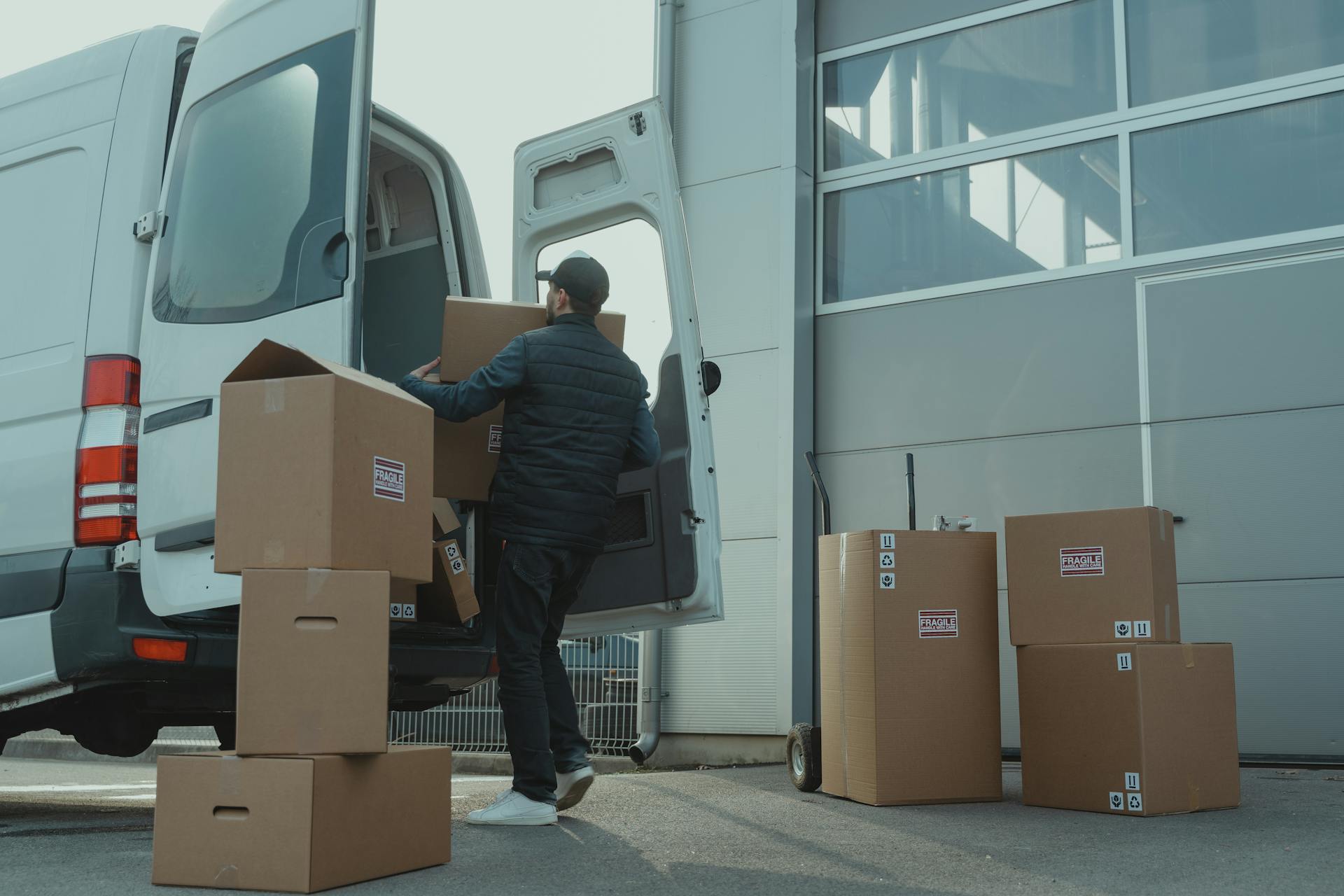
Running a courier operation that spans multiple regions comes with constant moving parts. Jobs arrive throughout the day, often with varying urgency, load sizes, and handling requirements. A well-organised workflow is what allows transport operators to keep drivers moving efficiently while maintaining high service standards.
From allocating the right vehicle to monitoring live locations and forecasting availability an hour ahead, the role demands attention to detail and the ability to plan dynamically.
Table of Contents
Balancing Multiple Job Types Throughout the Day
In a typical shift, an operator might oversee urgent same day deliveries between major cities, manage scheduled haulage runs on set routes, and assign local man and van bookings within busy areas. It’s not unusual for medical courier work or time-critical machinery parts deliveries to appear unexpectedly, needing to be fitted in without disrupting everything else.
To handle this variety, each job must be assessed quickly for key details: the type of load, collection and delivery windows, any specialist handling needs, and distance. Matching these requirements to the right driver and vehicle is the first step in maintaining an efficient flow.
Smart Job Allocation Based on Driver Availability
Simply assigning jobs to the nearest available courier often creates problems later in the day. Instead, operators review where each driver is currently, what work they still have to complete, and how much time remains in their schedule.
Live dispatch platforms give visibility of who is finishing soon, who has available capacity, and which drivers are already committed to long-distance runs. This information allows operators to place jobs logically, reducing wasted mileage and avoiding delays caused by overloading one courier’s schedule.
Staying One Step Ahead with Live Tracking
Real-time GPS tracking is essential for managing drivers across large areas. It shows where each vehicle is and how close they are to completing current jobs. Operators use this information to plan routes and assignments about an hour in advance, ensuring that as soon as one job finishes, another is lined up and ready.
This forward planning helps reduce downtime between collections, avoids unnecessary return journeys, and improves overall delivery speed. When several drivers are working within the same region, tracking their movements also makes it possible to reallocate jobs quickly if one gets caught in traffic or runs behind schedule.
Keeping Workflow Smooth in a Fast-Moving Environment
Coordinating nationwide courier work isn’t just about reacting to incoming jobs — it’s about building a system that allows work to keep flowing under pressure. The combination of structured allocation processes, live tracking, and constant forward planning gives transport operators the control they need to keep things moving.
If you’d like to explore the operational side of dispatching in more depth, this guide on managing workflow and multiple courier drivers nationwide explains how transport operators oversee jobs and drivers at scale.


