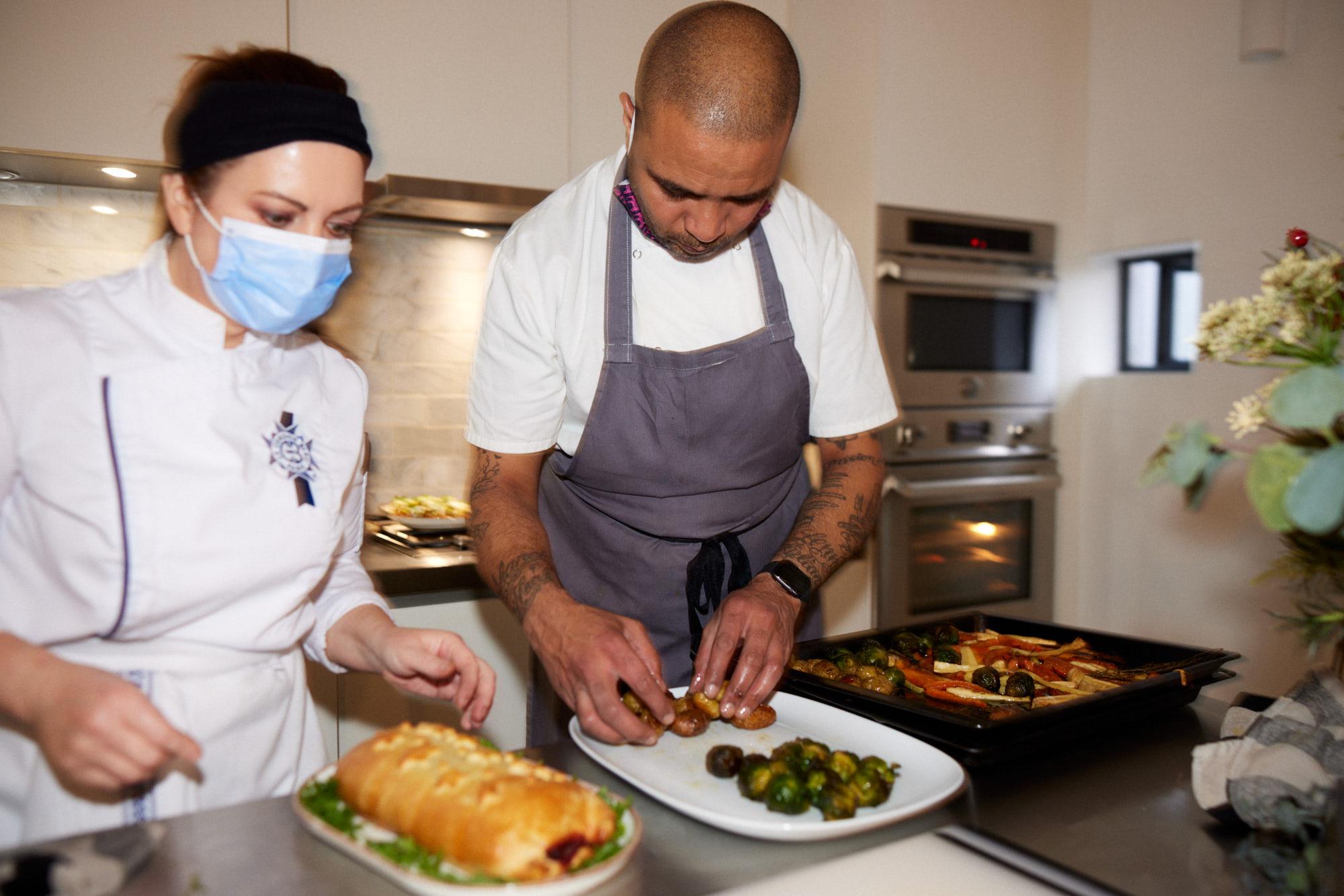
The clink of glasses, the aroma of sizzling pans, and a chef plating dishes just steps from your dining table—private dining is no longer the preserve of five-star hotels. A new wave of micro-foodpreneurs is bringing restaurant-quality experiences into living rooms, patios, and rented Airbnbs.
Technology hasn’t invented this idea, but it’s made it effortless. Platforms like Yhangry match skilled chefs with hosts who want something more personal than a reservation. In 2022, Yhangry handled fewer than 300 bookings a month; by early 2025, it was close to 4,000—proof that diners are embracing this shift.
For chefs, it’s a chance to earn more, work flexibly, and connect directly with guests. For customers, it’s the joy of a bespoke menu, crafted just for their occasion. The result is a growing movement that blends entrepreneurship with unforgettable hospitality.
Table of Contents
Yhangry in a Nutshell
Yhangry is part of a new generation of online marketplaces that turn culinary skills into booked-out calendars. The concept is simple: a host shares event details—date, location, budget, guests, and cuisine preferences—then receives tailored quotes from vetted chefs. The platform handles messaging, menu planning, secure payments, and booking confirmations, so both sides can focus on the food and experience.
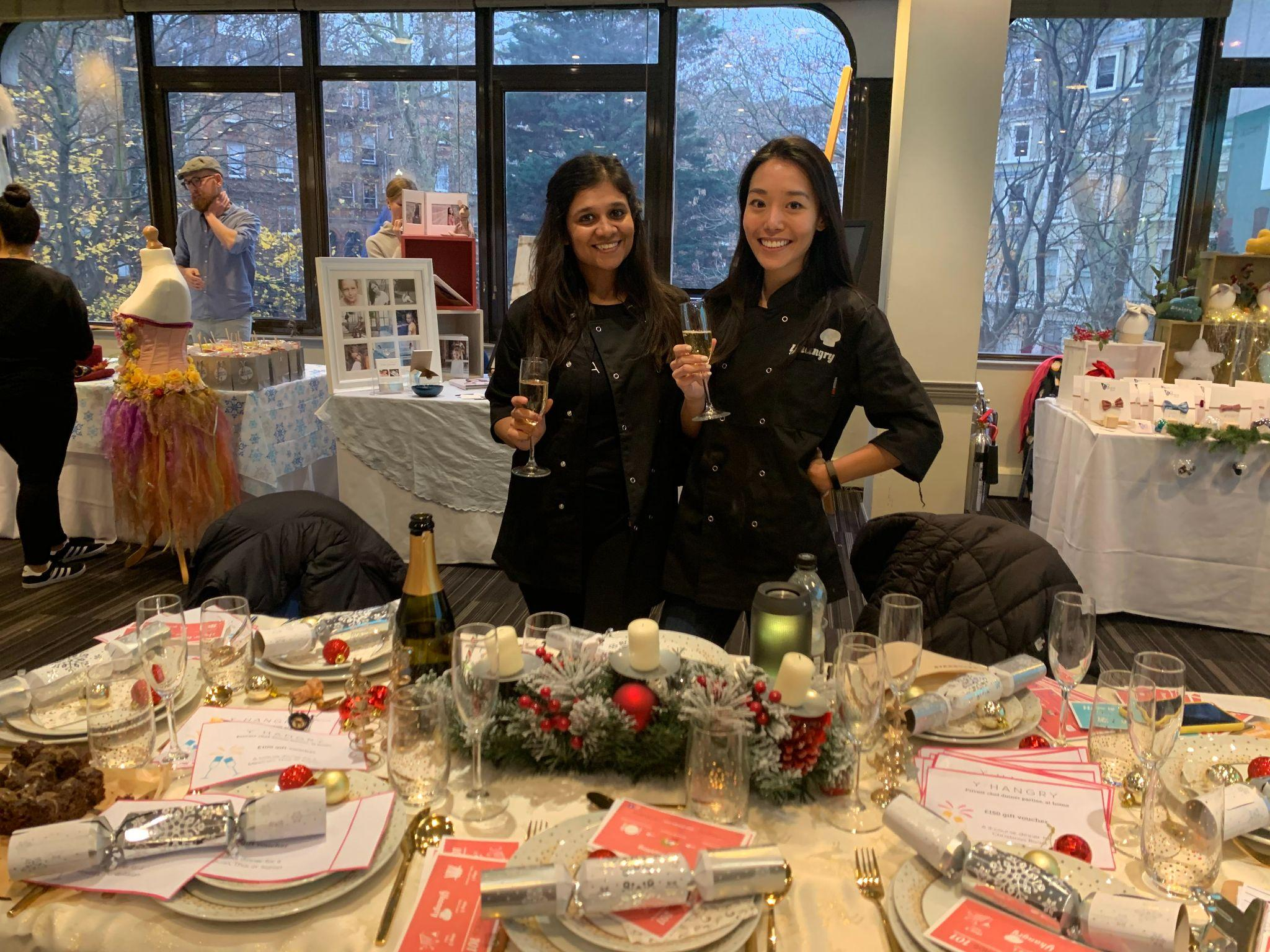
Events range from intimate dinners for two to lively celebrations of 30 or more. The most popular occasions include birthdays (35.9% of bookings), hen and stag parties (13.6%), and casual get-togethers (11.5%).
While Yhangry began in the UK, its model resonates globally: flexible for chefs, frictionless for customers, and designed for the growing appetite for private, personalised dining.
The New Culinary Workforce
Behind the rise of private dining is a diverse group of chefs turning skill into independence. Many come from professional kitchens—83% have over three years of industry experience, and 57% bring a decade or more. Others are career changers or self-taught cooks who’ve built a following with unique specialties.
The motivations are clear. In Yhangry’s chef survey, 71.3% said they earn more privately than in restaurants, and 80% prefer the flexibility, creative control, and closer guest interaction. Chef Jake, for example, swapped a Michelin-starred kitchen for a schedule built around school runs, describing the shift as “freedom” and “more love in the cooking.”
This new workforce isn’t just chasing paychecks—they’re building personal brands, crafting signature experiences, and redefining what it means to be a chef in the gig economy.
Shifting Consumer Preferences
Dining out is evolving. Across the UK, 63% of adults now say they prefer entertaining at home. The shift isn’t just about comfort; it’s about control over the menu, the atmosphere, and the guest list.
The biggest adopters are younger audiences: customers aged 25–34 make up 44.1% of Yhangry bookings, followed by 35–44 at 33.6%. These are digital-native diners, accustomed to customizing every experience—from playlists to travel—and now, to dinner parties.
Occasions are varied: birthdays dominate at 35.9% of bookings, but casual get-togethers, family events, and even corporate meals are on the rise. For these consumers, private dining blends convenience with novelty—turning an ordinary night-in into an Instagram-worthy event.
The Economics of Private Cheffing
Private cheffing isn’t just a creative outlet. It’s proving to be a solid business model. As per yhangry Industry Report, the average order value has climbed from £391 in 2021 to £751 in 2025, a 92% jump. Over half of bookings fall in the £40–£100 per person range, showing the service appeals beyond high-net-worth clients.
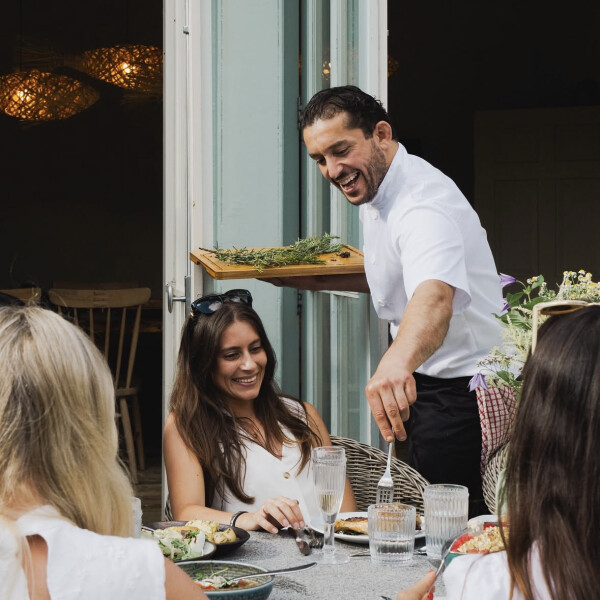
Spending varies by cuisine. Japanese menus command the highest average spend at £129.71 per person, while BBQ and Mexican are at the more casual end, under £70. This diversity allows chefs to position themselves for different markets—luxury, mid-tier, or volume-driven.
For chefs, higher per-event earnings, combined with the ability to schedule around peak demand (75% of requests land on weekends), can create a stable, profitable income stream without the overhead of running a restaurant.
Quality, Personalization, and Dietary Fit
Private cheffing thrives on delivering what restaurants often can’t: undivided attention and fully tailored menus. On Yhangry, chef ratings have stayed above 4.9/5 since 2023—even as the platform scaled.
Dietary needs are met with precision. According to Statista, 100% of private chef clients said their requirements were fully addressed, compared to just 62% in restaurants. That’s a powerful selling point for hosts managing allergies, cultural food rules, or plant-based diets.
Customization also drives creativity. From vegan Caribbean feasts to gluten-free fine dining, chefs can design menus that reflect their style while meeting guests’ exact needs. For diners, it means every plate tells their story; for chefs, it’s a chance to turn personal flair into their professional signature.
Platforms as Business Accelerators
For independent chefs, the real challenge isn’t the cooking—it’s running the business. Yhangry smooths out those pain points by handling the essentials: event requests, quotes, secure payments, and direct communication with clients.
This frees chefs from the grind of chasing leads or managing messy logistics, letting them focus on creating memorable dining experiences.
The platform also amplifies visibility. Every completed booking generates reviews and ratings, helping chefs build a strong portfolio and attract repeat customers. Over time, this creates momentum: more bookings, higher earnings, and a growing reputation.
Flexibility is another benefit. Chefs can choose when to work, tailoring schedules around family life, side projects, or other commitments—all while earning more than many traditional restaurant roles. In this way, Yhangry doesn’t just connect chefs with diners; it gives them the tools and market reach to grow as entrepreneurs.
U.S. Market Lens and the Road Ahead
While Yhangry’s growth story is rooted in the UK, the model aligns closely with trends already taking shape in the U.S. Platforms like Eatwith, Cozymeal, and Shef show American consumers are open to booking chefs for intimate events, cooking classes, and custom menus. With cottage food laws active in all 50 states and MEHKO permits in select areas, regulatory doors are opening for home-based culinary businesses.
The opportunity extends beyond major cities. Rural and suburban areas, often short on fine-dining options, could see private cheffing fill the gap—especially for celebrations, retreats, and Airbnb stays.
As the experience economy grows and technology simplifies the business side, the U.S. is primed for its own wave of micro-foodpreneurs—chefs blending entrepreneurship, hospitality, and personal connection in ways that resonate with today’s diners.
Yhangry has already launched this September in the U.S., with plans to expand across all states, positioning itself to ride this wave.


