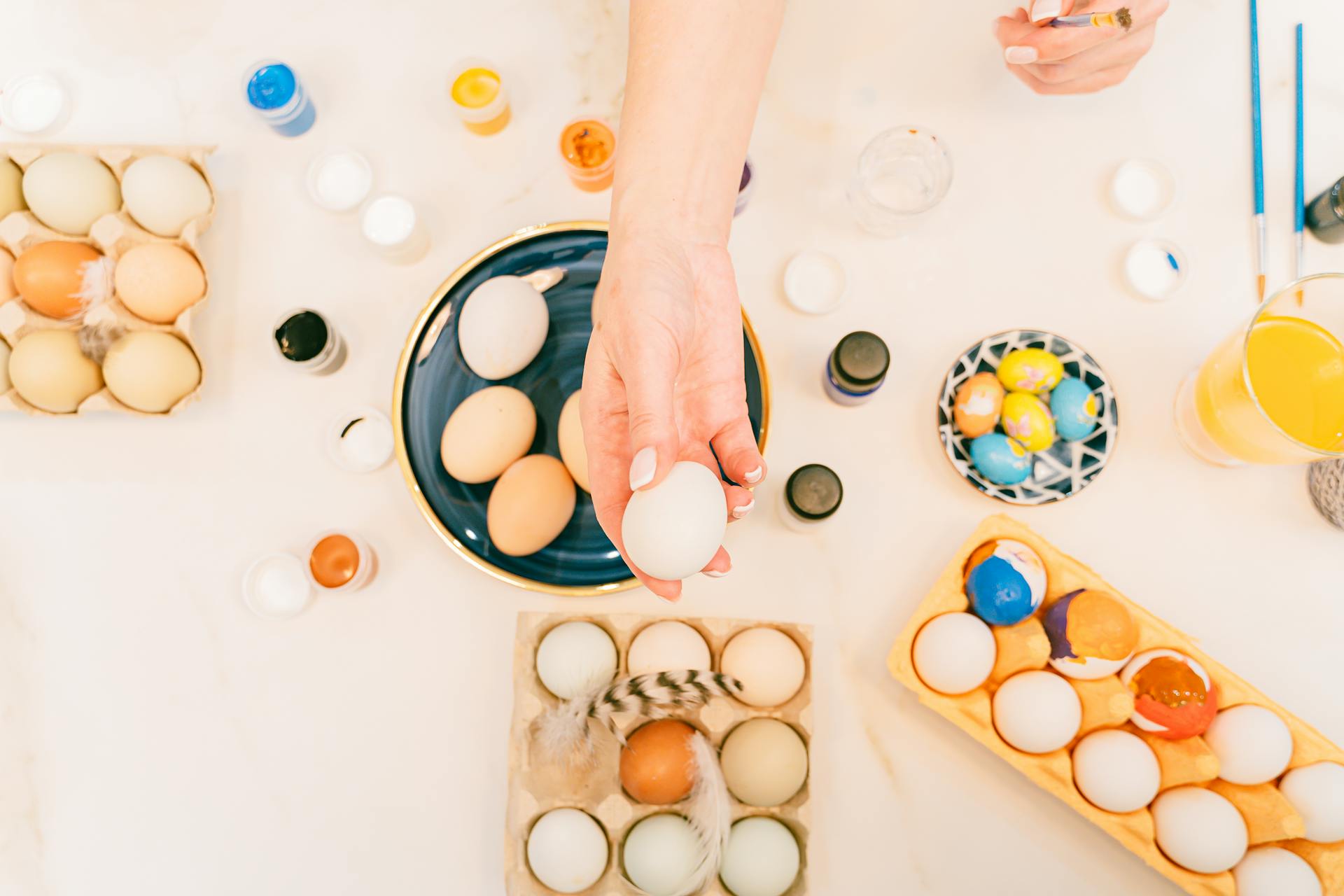
Have you ever seen an egg in different colors and wondered how it could be? Many people are familiar with the usual colors of white and brown, but poultry enthusiasts often dream of collecting various egg colors in their baskets. The color varies from pastel blues and greens to pinks and deep chocolate blues. And now the question is how to achieve it without using harmful additives or compromising on quality. It lies in selecting the right breeds by understanding its genetic basis of egg coloration. This comprehensive guide will explore the details of the fascinating world of colorful eggs that enhance your backyard farming experience.
Table of Contents
Choosing the Right Breeds for Colorful Eggs
The very first step in achieving the colorful egg is choosing the right breeds that serve the need with such a goal. Some genetical practices make some chickens lay vibrant colors of egg production. For example, the Olive Egger Chicken is one such kind that lays fabulous eggs in olive-green color. These breeds are a special cross-over between dark brown egg layers (like Marans) and blue egg layers (like Ameraucanas or Araucanas). Which ultimately gives the result of a combination of the parents’ colors.
There are a few other options like Easter Eggers, known for blue, green, or even pink eggs, and Welsummers, which lay terracotta-colored eggs. With thoughtful consideration, filling your basket with diverse colours of eggs doesn’t have to be overwhelmed.
Understanding the Genetics of Egg Color
Breeding chickens for colorful eggs isn’t just about luck. It’s all about understanding chicken genetics. The color of an egg comes from pigments added to the shell as it moves through the hen’s reproductive system. There are two main pigments to know: protoporphyrin, which creates brown eggs, and biliverdin, which gives eggs a blue shade.
When a hen lays a blue egg, it’s because of biliverdin. This pigment is added to the eggshell from the inside, making both the outside and the inside of the shell blue. Brown eggs work a bit differently. The protoporphyrin pigment is added only to the shell’s surface. This is why you sometimes see brown eggs with speckles.
Breeding Strategies for Consistent Results
When you pick the right breed, your next essential step is to follow a breeding strategy that maintains the egg health and enriches the color. Exhibiting the color traits can be started by pairing the right hens. For instance, if your goal is to breed more olive eggs, pair a dark brown egg layer like a Marans with a blue egg layer like an Ameraucana.
Narrate your breeding choices and the colors of eggs from their children. You learn what mating combinations produce the most outstanding egg colors. Line breeding is worth considering, where you will breed a parent line that has the trait you want to highlight. Nonetheless, assisted by correct control to protect against genetic issues, breeding back can ensure bright coloured eggs in your flock..
Maintaining Egg Color Over Generations
One common issue breeders face is the fading of egg color over generations. This usually happens when colorful egg-laying hens are bred with standard brown or white layers, diluting the genetic pool. To preserve vibrant colors, continue breeding within the same color-focused line or choose complementary breeds that maintain the desired hues.
For example, if you’re breeding Olive Eggers, avoid introducing genes from purely white egg layers, as this will likely result in less colorful eggs. Instead, reinforce the olive gene by breeding back with dark brown or blue egg layers.
Nutrition and Its Role in Egg Color
It’s not just genetics that decides egg color. Nutrition plays a big role, too. Healthy hens lay stronger, more colorful eggs. A diet packed with carotenoids can make a big difference, especially for brown and olive eggs. You’ll find these nutrients in green veggies like kale and spinach. Even marigold petals help.
Calcium is another must-have. It’s what makes the eggshell strong and smooth. Without enough calcium, even eggs that should be colorful can look pale or have rough spots. Want to keep your eggs looking great? Make sure your hens get enough calcium. You can give them crushed oyster shells or special calcium supplements. This keeps their eggs strong and bright.
Housing and Stress Management
Stress can affect a hen’s ability to lay consistently and even impact the color intensity of her eggs. Happy hens are productive hens, so creating a stress-free environment is essential. This includes providing spacious and clean coops, plenty of perching space, and regular access to fresh food and water.
Moreover, be mindful of environmental stressors, such as predators or abrupt changes in temperature. By minimizing stress, you not only ensure better egg production but also maintain the desired egg colors.
Final Thoughts
Achieving colorful eggs is not just luck, but it is making smart choices like selecting the breed, keeping a keen eye on nutrition, and understanding that raising chickens is not just about feeding. Moreover, being aware of different genetical values can help you choose the breed that not only serves but also achieves your desires. Ensure the decisions are cherished for a long time in your poultry farming experience.