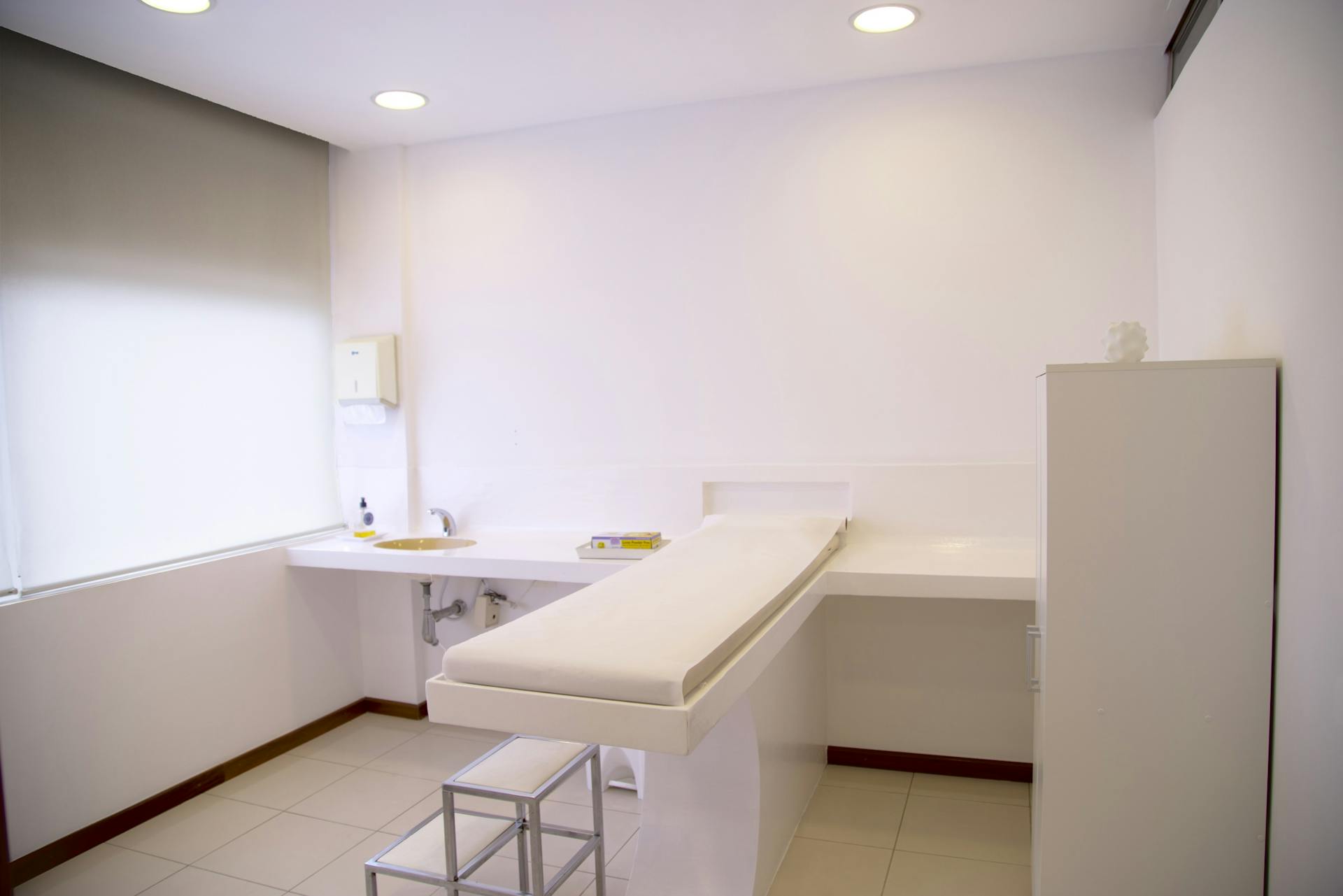
Opening your own primary care practice is more than just a career move—it’s a personal mission. For many physicians, the dream of running an independent clinic stems from a desire to offer personalized care, break free from the limitations of corporate medicine, and truly serve their community on their own terms. Whether you’re fresh out of residency or a seasoned doctor ready for autonomy, establishing a private practice is a bold and exciting leap.
But let’s be honest—starting a clinic from scratch isn’t as simple as hanging a sign on the door and waiting for patients to walk in. It requires strategic planning, a deep understanding of business operations, and a commitment to balancing clinical excellence with financial sustainability. You’ll need to wear many hats: medical expert, entrepreneur, marketer, and team leader.
This guide will walk you through every critical step—from defining your business model to outfitting your office with the right technology and attracting your first patients. If you’re ready to take control of your professional path, this step-by-step breakdown will help turn your vision into a thriving practice.
Table of Contents
1. Clarify Your Vision and Business Model
Before anything else, define the kind of primary care practice you want to create:
- Solo practice or group practice?
- General primary care or specialized services like geriatrics or sports medicine?
- Traditional insurance-based or direct primary care (DPC)/concierge model?
Clarifying your vision early will help guide your decisions on location, staffing, equipment, and patient engagement strategies.
2. Create a Business Plan
Your business plan is the foundation of your practice. It should outline:
- Executive summary
- Market research and competitive analysis
- Startup and operational costs
- Revenue and profit projections
- Operational and staffing plans
- Marketing and patient acquisition strategy
A solid business plan will not only help keep your vision focused but also serve as a critical tool when seeking financing.
3. Secure Financing
Launching a primary care clinic often involves significant upfront costs. These may include:
- Renovation and rent
- Medical and office equipment
- Staffing costs
- EHR software and practice management systems
- Insurance and legal fees
Explore options like traditional bank loans, SBA loans, personal savings, or physician-focused financing programs. A strong business plan increases your chances of approval.
4. Register Your Business and Choose a Legal Structure
Set up your legal and tax framework. Common structures for medical practices include:
- Sole Proprietorship
- LLC (Limited Liability Company)
- PC (Professional Corporation)
- S Corporation
Each structure has tax and liability implications. Consult with a CPA or healthcare attorney to choose the right one for your goals. You’ll also need to apply for an EIN (Employer Identification Number) and register your business with state authorities.
5. Obtain Licensing and Credentialing
Compliance is non-negotiable in healthcare. Make sure you secure:
- State medical license
- DEA registration
- NPI number
- CLIA waiver (for lab testing, if needed)
- Medicare/Medicaid enrollment
- Credentialing with private insurers
Credentialing alone can take several months, so it’s wise to begin early.
6. Choose a Location and Set Up Your Office
Choose a location based on your target demographic, visibility, accessibility, and proximity to referral sources like hospitals or specialists. Once secured, plan your office layout with key areas such as:
- Reception and waiting area
- Exam rooms
- Administrative/billing space
- Lab or diagnostic space (if applicable)
Design your space for comfort, efficiency, and accessibility. Ensure it’s HIPAA-compliant and ADA-accessible.
7. Purchase Equipment and Technology
A modern clinic requires more than just exam tables. You’ll need a blend of clinical tools and administrative tech:
Clinical Equipment:
- Stethoscopes, otoscopes, ophthalmoscopes
- Examination tables
- Vital signs monitors and EKG machines
- Autoclaves and sterilization tools
Administrative Technology:
- Electronic Health Record (EHR) Software: A robust EHR software for primary care is the digital backbone of your practice. It stores patient records, manages documentation, and interfaces with lab systems and billing.
- Practice Management Software (PMS) for scheduling and claims
- Telehealth and secure messaging platforms
- Patient portal for appointments and record access
Investing in integrated systems reduces errors and increases efficiency.
8. Hire and Train Your Team
Start with essential staff and scale as needed. Your core team may include:
- Medical assistant or nurse
- Front desk/receptionist
- Billing specialist or service provider
- Office manager (optional but helpful)
Hiring people who align with your values and patient care philosophy is just as important as clinical experience. Provide training on patient communication, EHR use, HIPAA protocols, and conflict resolution.
9. Develop Internal Policies and Compliance Protocols
Written policies ensure consistency and legal compliance. Areas to address include:
- Patient intake and discharge
- Appointment scheduling and no-shows
- Privacy and HIPAA guidelines
- Prescription and refill management
- Lab test protocols
- Staff responsibilities and emergency procedures
These guidelines reduce liability and help new staff hit the ground running.
10. Launch a Strategic Marketing Campaign
Even the best doctors need visibility to grow their practice. A comprehensive marketing approach should include:
- A professional website with mobile optimization
- Local SEO and Google Business Profile
- Patient review management
- Social media presence (Facebook, Instagram, LinkedIn)
- Referral partnerships with specialists and local organizations
- Direct mail, community events, or seminars
In the digital age, patients often choose providers based on reviews and website impressions—make yours count.
11. Track Your Progress and Adapt
Once your practice is live, focus on data-driven decisions:
- Monitor patient volume and appointment no-show rates
- Analyze revenue cycles and billing efficiency
- Collect patient satisfaction feedback
- Review marketing ROI and adjust as needed
- Audit staff performance and workflow bottlenecks
Adopt a continuous improvement mindset—adjusting systems as you grow and learning from early missteps is key to long-term success.
Conclusion
Starting your own primary care practice is a courageous and deeply meaningful endeavor. It’s about reclaiming the physician-patient relationship, offering care on your own terms, and creating a space that reflects your values and vision for healthcare. While the journey involves legal steps, financial planning, tech decisions, and staff management, it also offers unparalleled professional freedom and personal satisfaction.
The transition from clinician to business owner is challenging, but it’s also empowering. With the right planning and support, you can build a practice that not only heals patients but also sustains your career and enriches your life. The need for high-quality, personalized primary care has never been greater, and by taking this step, you’re helping to shape the future of medicine, one patient at a time.


