Latin America is increasingly becoming a focus for European-registered businesses looking to expand their online services. With the region’s rapid digital transformation, growing internet penetration, and rising smartphone adoption, several Latin American countries offer untapped potential. However, entering these markets requires careful planning and a deep understanding of local dynamics. LaFinteca, with its extensive experience in the region, outlines the critical factors that European businesses should consider when expanding into Latin America’s digital economy.
Market Selection Criteria: Internet Penetration, Smartphone Adoption, and Consumer Behavior
One of the first steps for any European business is identifying the right market within Latin America. Several factors, such as internet penetration, smartphone usage, and local consumer behavior, will play a significant role in determining a market’s viability. Countries like Brazil, Mexico, and Argentina often top the list, but emerging markets like Peru, Colombia, and Chile are also becoming more attractive.
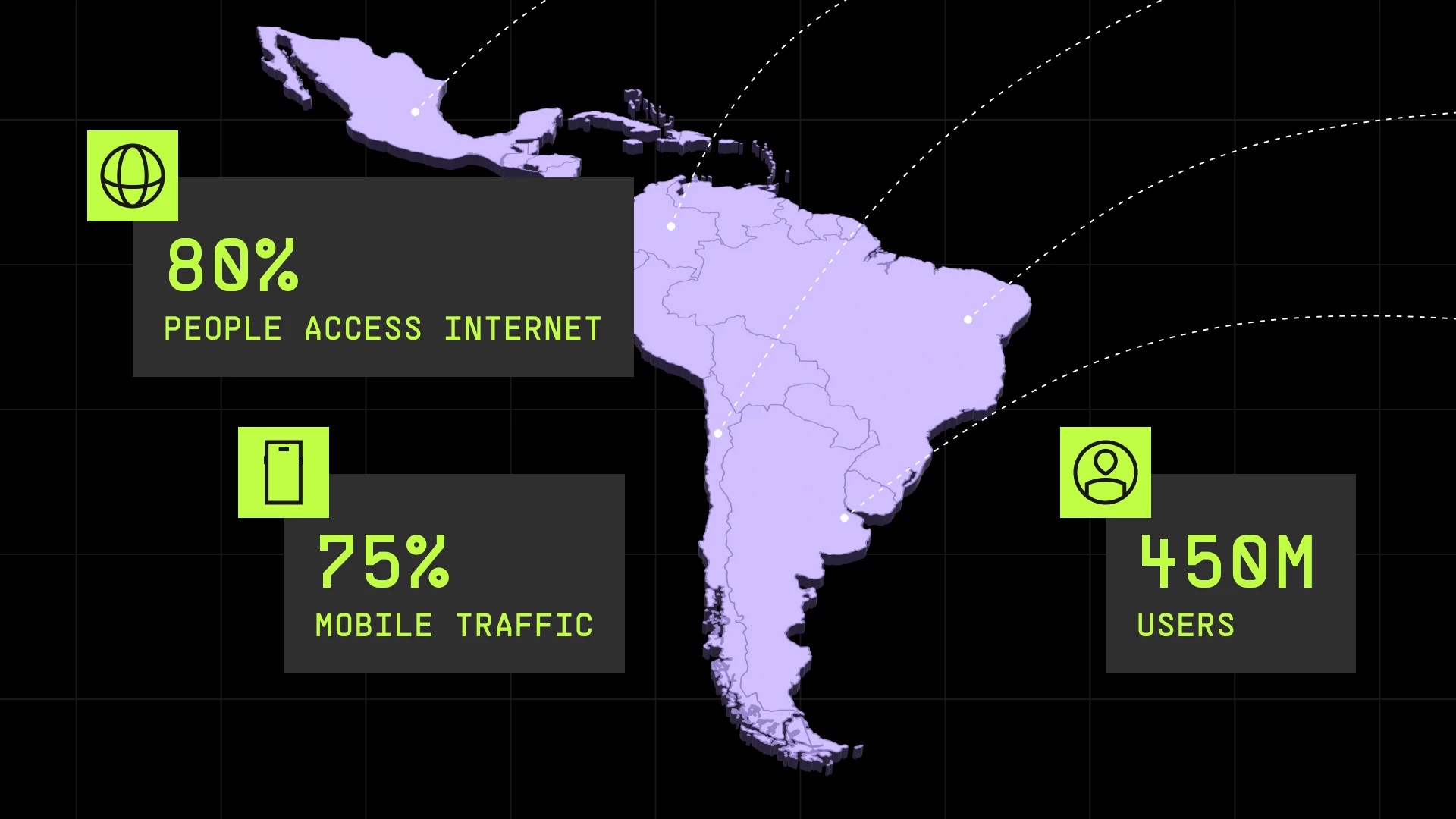
According to Statista, as of 2022, Latin America had more than 450 million internet users, and over 80% of the population in countries like Chile and Uruguay regularly access the internet. Moreover, smartphone penetration is also increasing, with StatCounter reporting that 75% of web traffic in the region comes from mobile devices. This heavy reliance on smartphones means that businesses need to optimize their websites and services for mobile users, ensuring seamless customer experiences.
The first step in a successful market entry is understanding how people access your services, notes Dmytro Rukin, CEO of LaFinteca. “In Latin America, this means prioritizing mobile-friendly solutions and adapting your offerings to meet local preferences.”
Understanding local buying behavior is also crucial. Consumers in Latin America increasingly rely on digital platforms for their everyday purchases, but they also have specific preferences for payment methods. In many countries, cash-based options like OXXO in Mexico or Pago Fácil in Argentina are still widely used, especially among the unbanked population. Businesses must be prepared to offer localized payment methods that cater to the diverse preferences of the region’s consumers.
Economic and Regulatory Environment: Salaries, Personnel, and Legal Services
In addition to understanding the digital landscape, businesses must consider the economic and regulatory factors that could influence their operations in Latin America. One key area is the average salary level and cost of hiring personnel. Labor costs in Latin America are generally lower than in Europe, offering opportunities for businesses to build cost-efficient teams. However, the quality of the labor pool varies by country. Nations like Argentina and Chile are known for their highly skilled workforce, particularly in technology and customer support roles.
Regulatory compliance is another critical factor. Each Latin American country has its own set of regulations governing data privacy, e-commerce, and online transactions. Brazil’s LGPD (General Data Protection Law) closely mirrors the European GDPR, meaning businesses familiar with European data protection laws will find the Brazilian regulations somewhat easier to navigate. However, other countries may have less stringent regulations, creating potential challenges in terms of legal clarity and consistency.
“Navigating the legal landscape in Latin America requires careful attention to detail,” says Dmytro Rukin. “European businesses need to ensure they comply with local regulations while maintaining the high standards expected by their customers.”
To streamline the process, European businesses should seek out local legal services that specialize in e-commerce and digital trade. Establishing partnerships with regional experts will not only help ensure compliance but also facilitate smoother market entry and operations.
Infrastructure and Accessibility: Payment Systems and Internet Quality
The availability and quality of infrastructure, particularly in terms of payment systems and internet connectivity, is another key consideration for European businesses entering Latin America. While some countries, like Mexico and Brazil, have advanced internet infrastructures that rival those in Europe, others may lag in this area. For example, businesses expanding into countries with less reliable internet connections must plan for service disruptions and adjust their strategies accordingly.
When it comes to payment systems, Latin America has made significant strides in offering innovative solutions. Countries like Brazil are leading the way with Pix, an instant payment system that has been widely adopted for online transactions. Additionally, platforms like Mercado Pago and PayU have gained popularity across multiple Latin American countries, providing consumers with secure and flexible ways to pay online.
Offering the right payment options is key to success in Latin America, explains Dmytro Rukin. At LaFinteca, we specialize in helping businesses integrate local payment methods, ensuring that they meet the needs of their customers and stay competitive in these markets.
For European businesses, offering a variety of localized payment options, such as bank transfers, mobile wallets, and even cash-based methods, will be crucial for gaining traction in Latin America’s online markets.
Expanding into Latin America offers European businesses immense growth potential, but it also comes with unique challenges that must be carefully navigated. By understanding local market dynamics, regulatory requirements, and infrastructure limitations, businesses can position themselves for success in the region. The ability to offer localized, mobile-friendly solutions, while adhering to local legal standards and providing diverse payment methods, will be essential for capturing the growing online consumer base.
LaFinteca is committed to helping European businesses enter and succeed in Latin America by offering tailored payment solutions that meet the specific needs of each market. With the right strategy, businesses can unlock new opportunities and thrive in one of the world’s most promising e-commerce regions.


