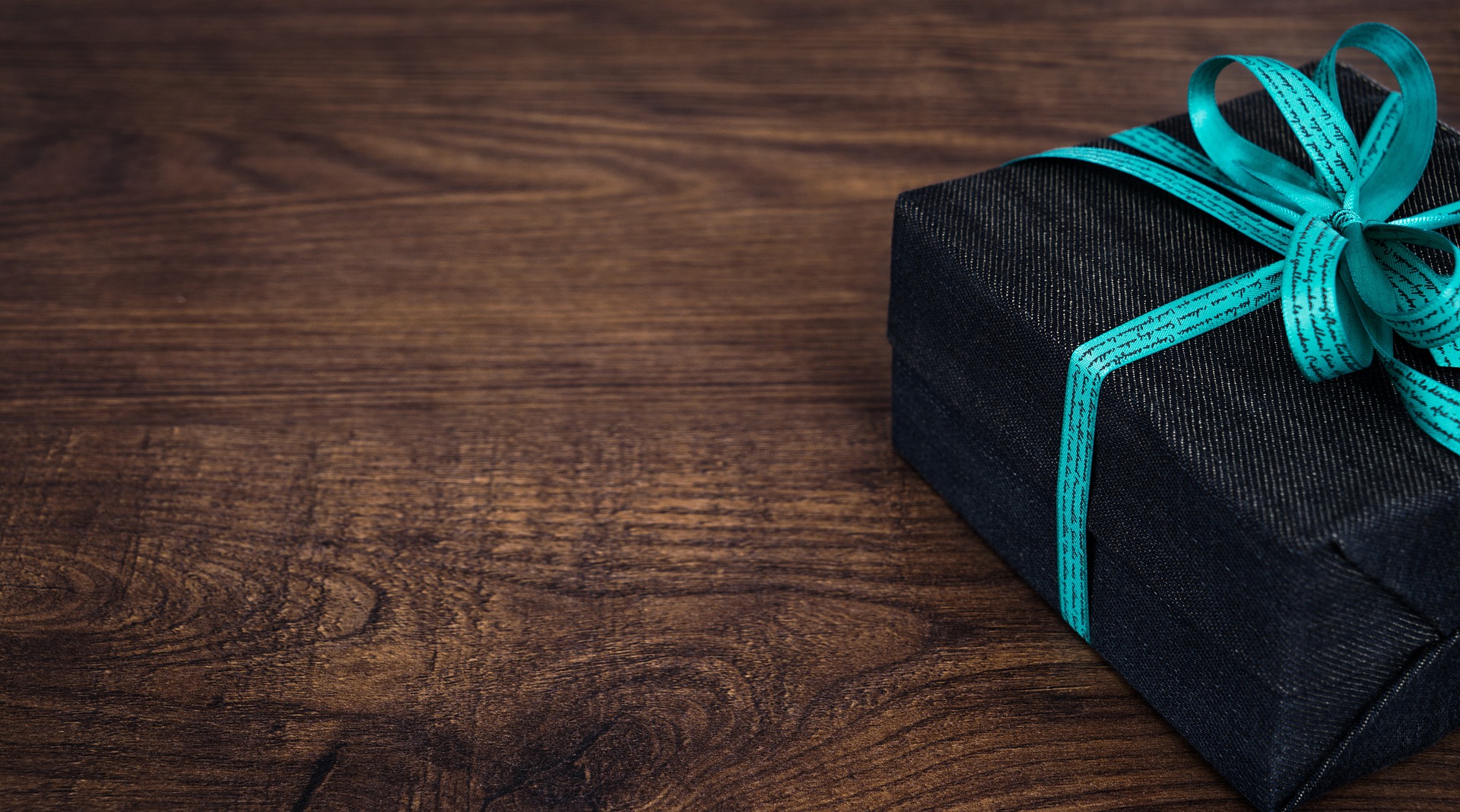
In the realm of consumer goods, first impressions are paramount. As the market grows increasingly saturated, brands strive to distinguish themselves through various elements, one of the most influential being packaging design. Aesthetic appeal, quality, and functionality play crucial roles in shaping customer perceptions and experiences. This article delves into how luxury packaging design is more than just an outer shell; it’s a strategic tool for enhancing the customer experience.
Table of Contents
The Power of Perception: Why Luxury Packaging Matters
When we think of luxury, images of opulence, sophistication, and exclusivity come to mind. These are not just abstract concepts but vital attributes that brands seek to communicate through their packaging design. In a competitive landscape, especially in high-end markets, the visual and tactile aspects of packaging can make or break a product’s success. Luxury packaging design is not merely about aesthetics; it’s about creating a holistic experience that resonates with the consumer’s desire for something unique and valuable.
Crafting the Experience: Elements of Luxury Packaging Design
Luxury packaging design revolves around several key elements, each contributing to a cohesive and memorable customer experience. These elements include material quality, design intricacy, and functional excellence. The choice of materials—whether it’s sleek metal, polished wood, or eco-friendly alternatives—sends a powerful message about the brand’s values and commitment to quality. High-quality materials are often associated with durability and longevity, which are crucial factors for consumers investing in premium products.
Design intricacy, on the other hand, involves the thoughtful application of colours, typography, and textures. These elements work together to create a visual narrative that speaks to the brand’s heritage, values, and unique selling propositions. For instance, minimalist designs might convey elegance and sophistication, while bold colours and patterns can suggest innovation and creativity. The interplay of these design elements ensures that the packaging not only catches the eye but also tells a story.
Functionality is another critical aspect of luxury packaging. Beyond being visually appealing, the packaging must offer practical benefits. Easy-to-open designs, reusable packaging, and protective features all contribute to a positive customer experience. A well-designed package not only protects the product but also enhances its usability, making the unboxing process a joy rather than a chore.
Beyond the Box: The Emotional Connection
In the luxury sector, emotional engagement is as important as physical attributes. The unboxing experience has become a pivotal moment for brands to connect with their customers on a deeper level. Luxury packaging design plays a vital role in this experience, often transforming it into a ritualistic event. The anticipation of unveiling a beautifully wrapped product can evoke feelings of excitement and exclusivity, strengthening the emotional bond between the consumer and the brand.
This emotional connection extends beyond the initial purchase. Well-crafted packaging can encourage repeat purchases and foster brand loyalty. In an era where consumers are increasingly seeking authentic and meaningful connections with brands, luxury packaging serves as a tactile reminder of the brand’s commitment to excellence and customer satisfaction. The incorporation of personalized elements, such as handwritten notes or bespoke designs, further enhances this connection, making each customer feel valued and special.
Sustainability: The New Luxury Standard
As environmental concerns become more pressing, the definition of luxury is evolving. Modern consumers are increasingly prioritising sustainability, making eco-friendly packaging a crucial component of luxury packaging design. Brands are now exploring innovative materials and processes that reduce environmental impact without compromising on quality or aesthetic appeal.
Sustainable luxury packaging often involves the use of recyclable materials, biodegradable alternatives, or even reusable designs. For instance, some brands are opting for elegant, minimalist designs that minimise the use of materials, thereby reducing waste. Others are investing in biodegradable inks and adhesives to ensure that their packaging is as environmentally friendly as possible. By aligning their packaging design with sustainable practices, brands not only cater to the growing demand for eco-conscious products but also enhance their reputation as responsible and forward-thinking entities.
Conclusion: The Future of Luxury Packaging Design
The future of luxury packaging design lies in its ability to merge aesthetics with functionality, all while maintaining a strong commitment to sustainability. As brands continue to innovate and push the boundaries of what’s possible, the role of packaging design in shaping customer experiences will only grow more significant. In an age where consumers are inundated with choices, exceptional packaging design serves as a powerful differentiator, elevating the customer experience to new heights.
By investing in high-quality, thoughtfully designed packaging, brands can create lasting impressions that go beyond the initial purchase. Luxury packaging design is not just about making products look good; it’s about crafting a comprehensive experience that resonates with consumers on an emotional level. As we move forward, the integration of sustainable practices will further elevate this experience, setting new standards for what it means to be truly luxurious.


